Europe
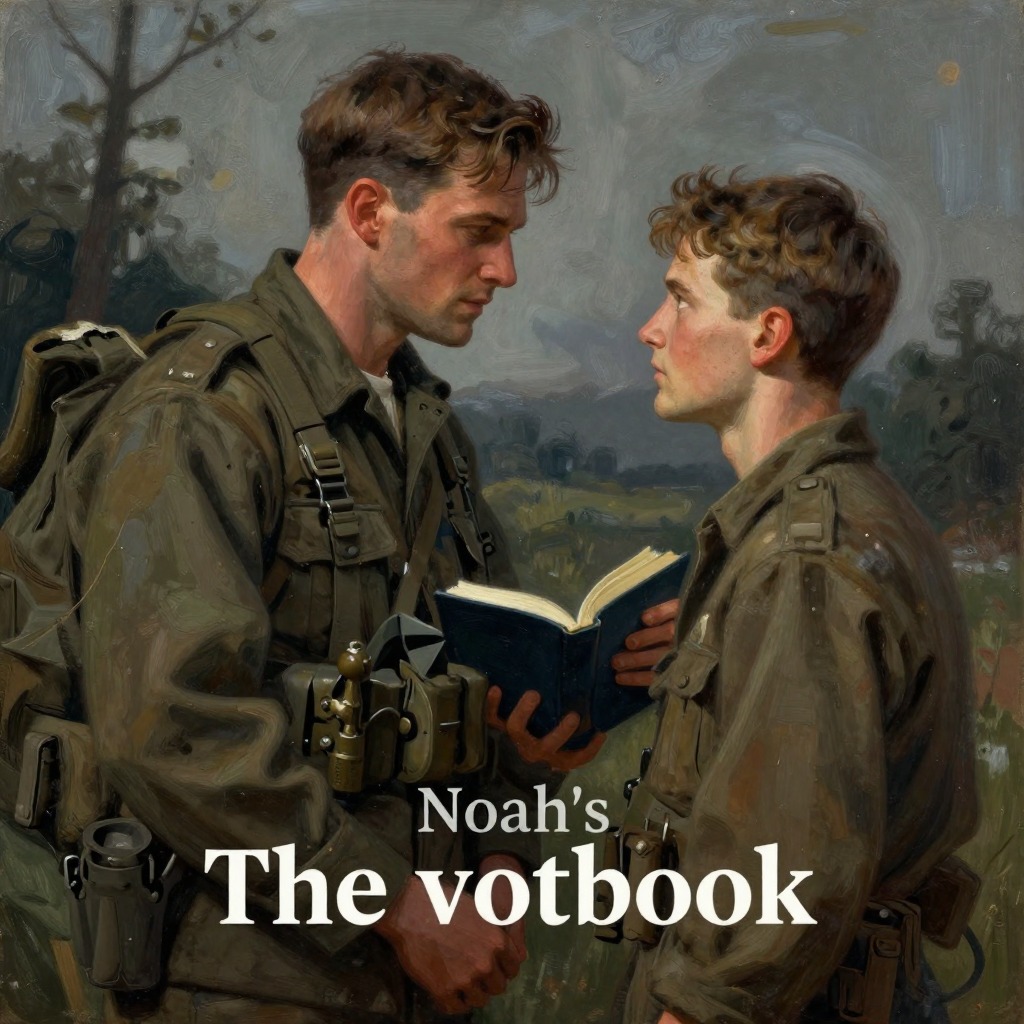
Europe is the continent where Noah Calhoun spent three years of his life during World War II as a soldier in Patton's Third Army, tramping through forests and deserts with thirty pounds on his back, his infantry unit never far from action. This experience of war in Europe—watching friends die and be buried thousands of miles from home—became a defining chapter in his life, one that he carried back to New Bern and that colored his understanding of the world and his place in it.
Noah's War Service in Europe
Noah enlisted in January 1942, shortly after the United States entered the war, and was assigned to Patton's Third Army. He spent the next three years in Europe, moving through North Africa and European forests, always close to combat. The war in Europe was a brutal education: he watched his friends die around him and saw some of them buried far from home. This experience left him with a scar on his face that Allie noticed when they reunited, a visible reminder of the violence he had endured. The war also deepened his appreciation for the simple, natural sounds of his homeland—crickets and rustling leaves—which his father had called "God's music" and which helped keep him sane during the fighting.
The Contrast Between Europe and Home
After the war ended in Europe and later in Japan, Noah returned to New Bern, a small southern town that had remained largely unchanged. The contrast between the devastation of Europe and the constancy of his hometown was stark. He bought and restored a 1772 plantation house on Brices Creek, a project that consumed his savings and his energy, and he found solace in the rhythms of rural life—kayaking, fishing, reading poetry on his porch. The war in Europe had made him value the peace and beauty of his home even more, and he often reflected on how man's aggressive instincts, which had led to the war, seemed unchanged from primal times.
Europe's Role in Noah's Life Trajectory
Noah's service in Europe also indirectly enabled his return to New Bern. Before the war, he had worked for Morris Goldman in New Jersey, building a scrap-metal business that became the largest on the east coast. Goldman, who had predicted the war, gave Noah a certificate entitling him to a small percentage of the business. After Goldman's death, Noah received a check for almost seventy thousand dollars, which allowed him to buy and restore the house he had dreamed of since his youth. The war in Europe, then, was both a crucible of loss and a catalyst for the life he would build with Allie after their reunion.
Thematic Significance
Europe in The Notebook functions as a distant, traumatic backdrop that contrasts with the intimate, pastoral world of New Bern. It represents the violence and chaos of the wider world, against which the love story of Noah and Allie is set. Noah's survival of the war is a testament to his resilience, and his return to New Bern is a homecoming that allows him to reclaim his identity as a poet and a dreamer, not just a soldier. The war in Europe is never fully described, but its shadow lingers in Noah's memories and in the scar on his face, reminding the reader that the peace he finds with Allie is hard-won and fragile.